
Learn with Chord Compass
Piano Exercise Book: Six Options Compared
Compare piano exercise book options for adult beginners, returning players and developing pianists. Find a technique resource that fits your practice.

Choose a piano exercise book by the task you need help with: a first method, short technical patterns or exam scales. These six options cover different needs for beginner, returning and developing players. We compare their level, format and teaching purpose using their published descriptions. This list includes our own Root Position book; it is a selection by use, not a claim that one book is best for everyone.
1. Chord Compass Academy
Chord Compass Academy is an online music education business with downloadable books for piano, theory and music reading. Its piano foundation book, Root Position, Edition 2, is a 301-page PDF for beginner and returning learners who want to study on their own.
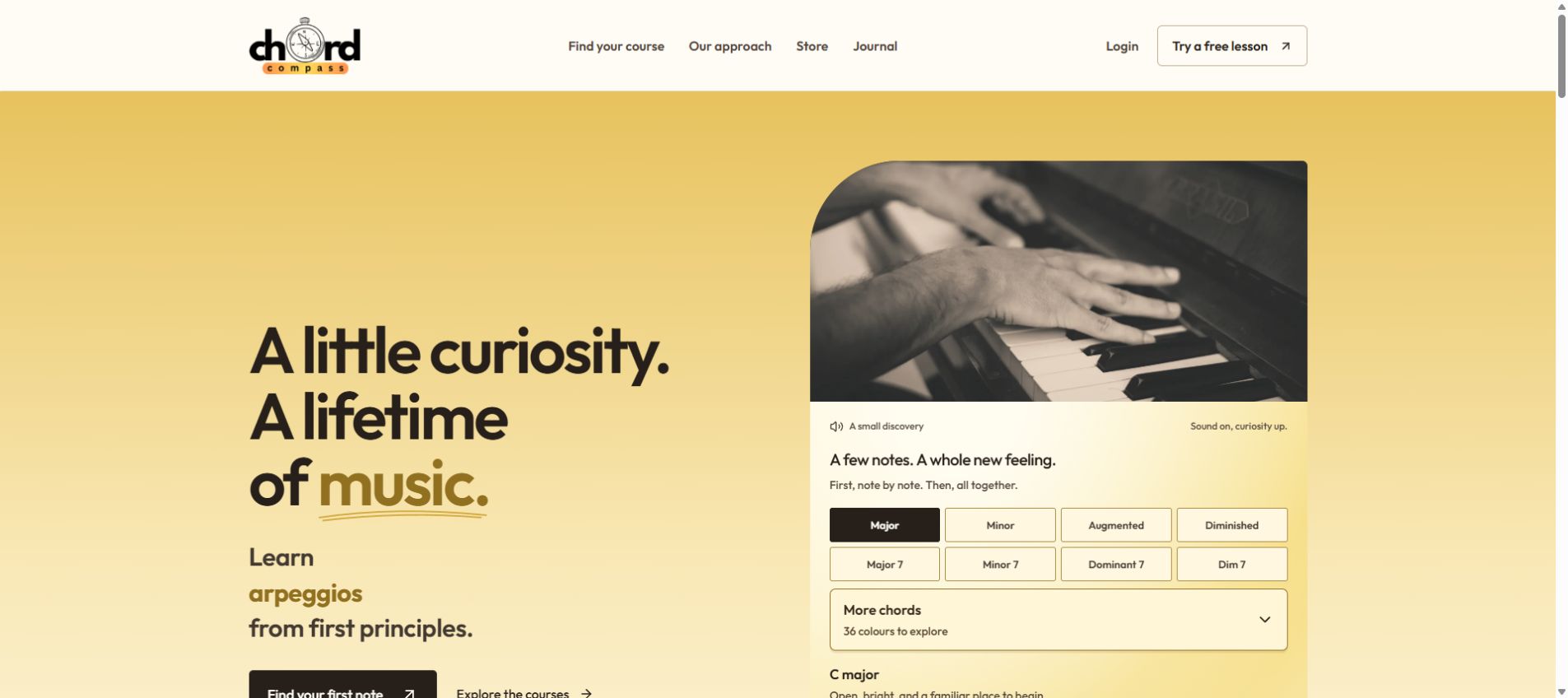
The book places foundational technique within a wider study plan. It includes a 12-week practice plan and 24 original studies. That gives you material to return to as you work through familiar shapes, build control and connect practice with pieces that sound musical.
Consider this as a starting point if you want explanations alongside your keyboard practice. The teaching approach starts from first principles, so you can pause over a chord or pattern and ask what the notes are doing. You can also compare piano books for beginners if you're still deciding between a foundation book and a broader method.
Choose Root Position if you want one downloadable resource with structured practice. It isn't an exam syllabus book, so choose another option below if you need specific grade requirements.
The product page includes a free preview of two chapters, so you can read a sample before choosing.
2. The Virtuoso Pianist by C. L. HANON Part 1 transposed in all keys
Hanon Online lists this edition of Charles-Louis Hanon's Part I as a 283-page PDF, with its 20 patterns transposed into 12 keys. It suits players who already know basic note patterns and want focused finger work that can move around the keyboard.
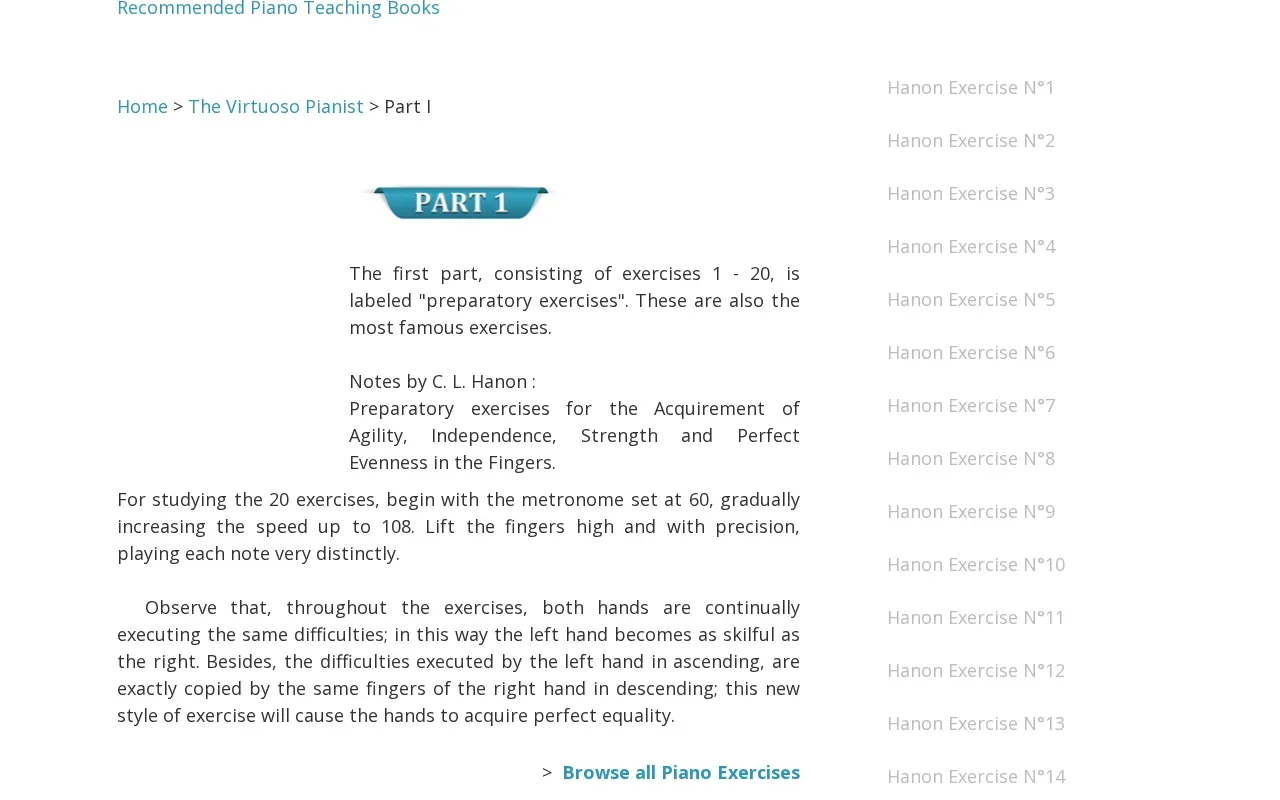
Hanon exercises repeat note patterns so you can listen for even timing and volume. Check whether a particular change of finger interrupts the line. Keep your hand, wrist and arm free to move instead of forcing isolated finger action. Start slowly enough to hear each note clearly, then raise the tempo only when the pattern feels even.
The all-keys format gives you a way to take a pattern beyond C major, where the black keys change the shape under your fingers.
Keep the drills brief and connect them to music you want to play. A familiar sequence can begin your playing, but it does not replace a physical warm-up or attentive work on phrasing. If you want a careful practice routine, our notes on how to practise piano effectively cover slow work and steady rhythm.
Pick this when finger patterns are your main focus. The screenshot reproduces historical instructions; treat its finger-lifting and speed targets as historical advice rather than a requirement. Ask a teacher to help you choose comfortable movements. The British Association for Performing Arts Medicine's warm-up guidance recommends regular breaks and stopping if you feel pain.
3. Hal Leonard Adult Piano Method Book 1
Hal Leonard Adult Piano Method Book 1 is an adult beginner method with online audio tracks for self-paced learning. It's best for a learner who wants lessons and musical material in one place, with sound to check against while practising.
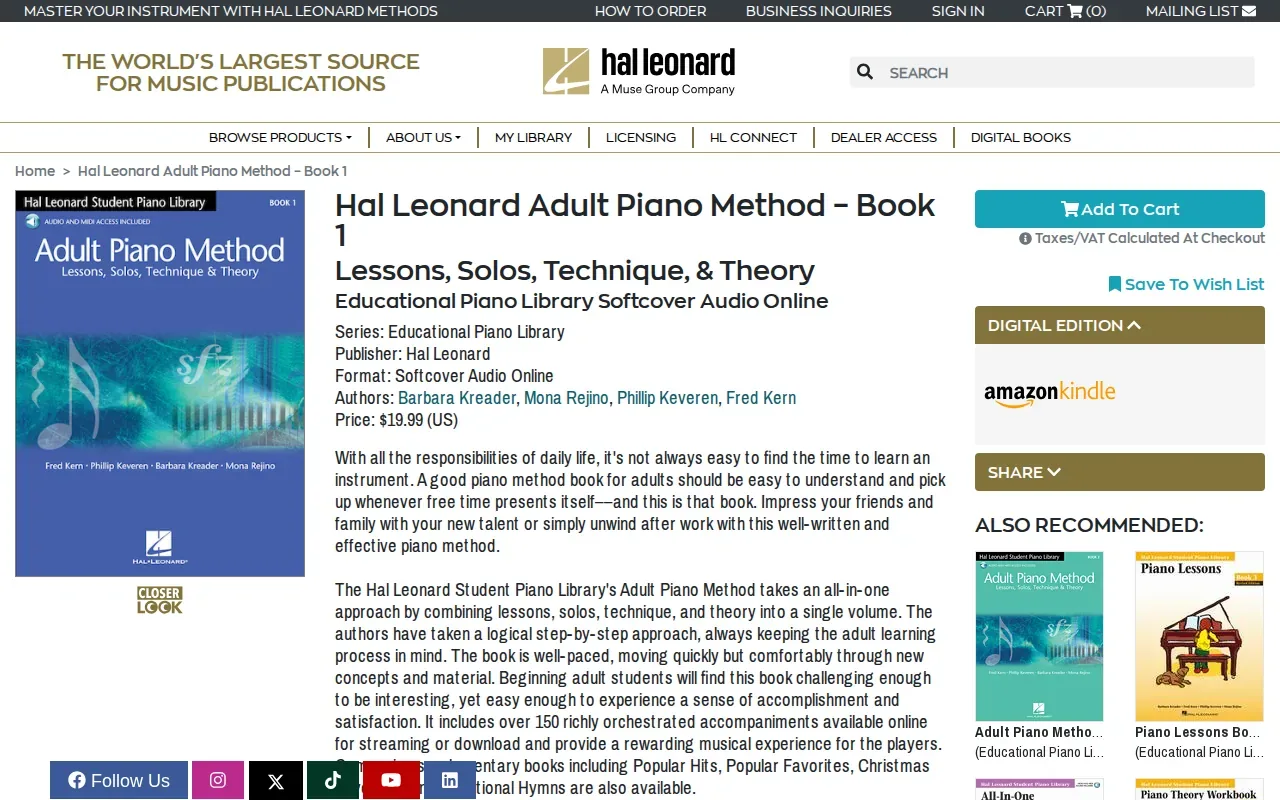
The method combines lessons, solos, technique and theory in a single volume. That mix can help you connect a new idea to the keyboard instead of treating each exercise as a separate task. Online accompaniments add another point of reference: listen first, then play along and notice where your part sits in the sound.
Audio can be useful when a printed rhythm feels abstract. Hear the pulse, tap it once, then play the passage at a pace you can manage. The book is designed for use with an instructor or for self-instruction, so it can fit a lesson routine or independent study.
Its adult focus may feel more comfortable than a child-centred method. Still, it is a course book rather than a collection of isolated technique drills. Choose it if you want a rounded first method; choose a targeted exercise collection if your reading and pieces are already in place.
4. John Thompson's Adult Piano Course Book 1 by Hal Leonard
John Thompson's Adult Piano Course Book 1 is written by John Thompson, published by Willis Music and listed by Hal Leonard. It is a traditional course written with adult learners in mind. It suits someone who wants a clear lesson path and enjoys learning through arranged music as well as exercises.
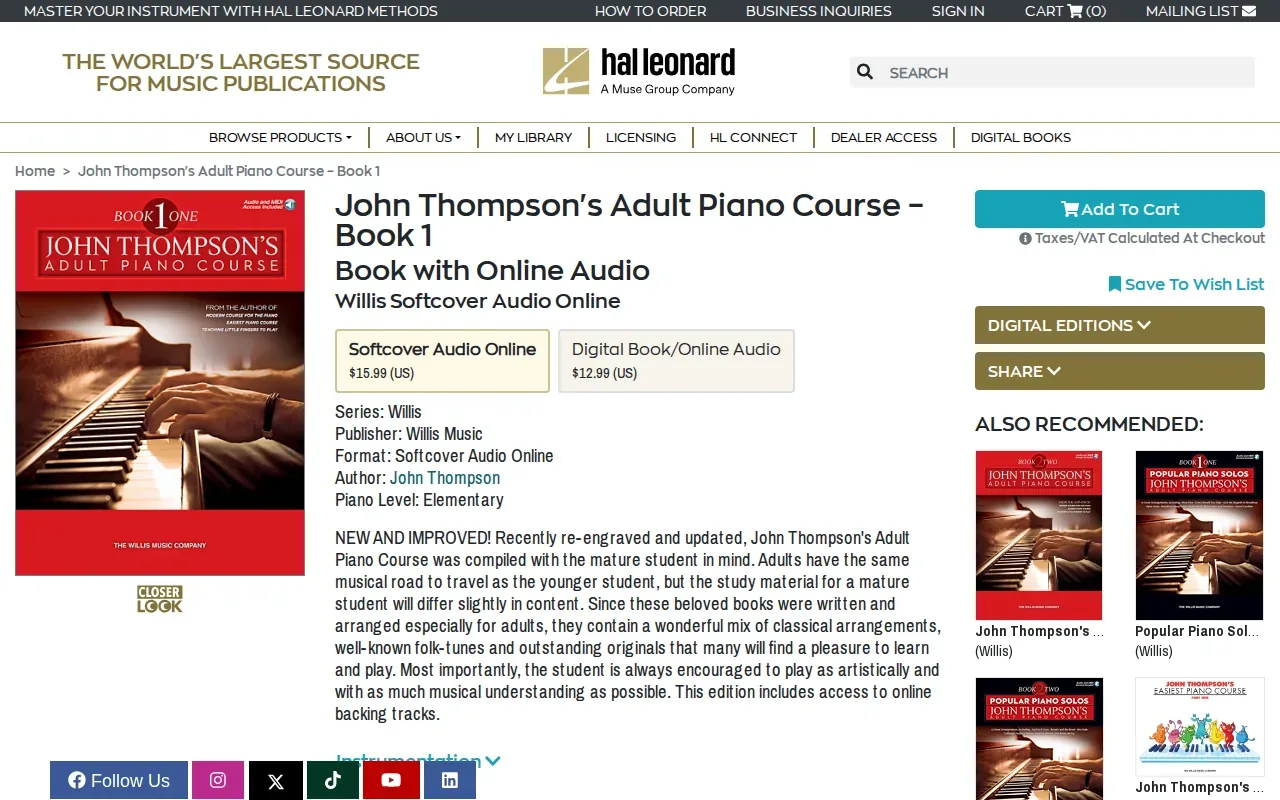
The course includes classical arrangements, familiar folk tunes and original pieces. That range gives practice more than one sound and mood, while the course encourages musical understanding alongside playing. The Book with Online Audio edition shown here includes backing tracks. Check the format when choosing your copy: a book-only edition and a digital edition are separate products.
Try a new passage first without the accompaniment. Once the notes and pulse feel settled, play along and listen for where your line fits. This makes the audio part of the practice rather than background sound.
Its traditional structure may suit learners who like a set sequence. If you're looking for a standalone warm-up book or a grade-specific technical list, this course has a different job: it guides early study through lessons and repertoire.
5. A Dozen a Day Mini Book by Willis Music
A Dozen a Day Mini Book by Edna Mae Burnam, published by Willis Music, is a short-exercise collection aimed at players who are just starting out or brushing up on basics. The simple patterns are meant to make warm-ups feel approachable while preparing fingers for harder pieces.
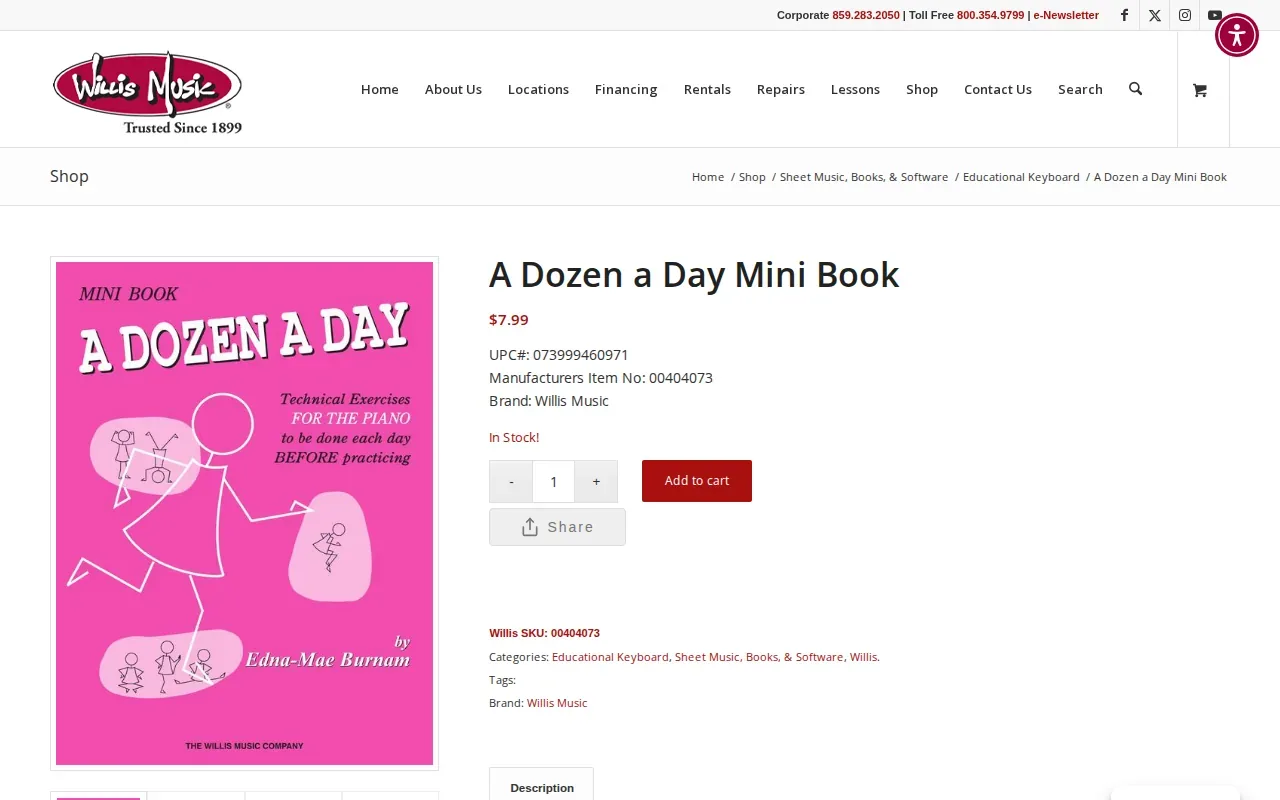
Despite its name, the exercises don't need to be tackled as a dozen at once. Learn them in groups of two or three, then add more when the first group feels secure. This gives you room to listen for even notes and shape each small phrase, instead of rushing to finish a page.
The exercises can also be moved into other keys for an added challenge. Begin with C major if that hand position feels familiar. Once the movement is comfortable, try the same pattern in a key with black notes and notice how your hand adjusts.
This is a friendly choice for a short warm-up before repertoire. It isn't the same as a full lesson method, so pair it with music that helps you work on reading, rhythm and phrasing too.
6. Piano Scales & Arpeggios, Grade 5 by ABRSM
Piano Scales & Arpeggios, Grade 5 by ABRSM contains the scale and arpeggio requirements introduced in 2021. It serves the ABRSM Grade 5 piano exam route that includes scales and arpeggios. Check the current syllabus for your exam date and route before buying; it is not a general first exercise book.
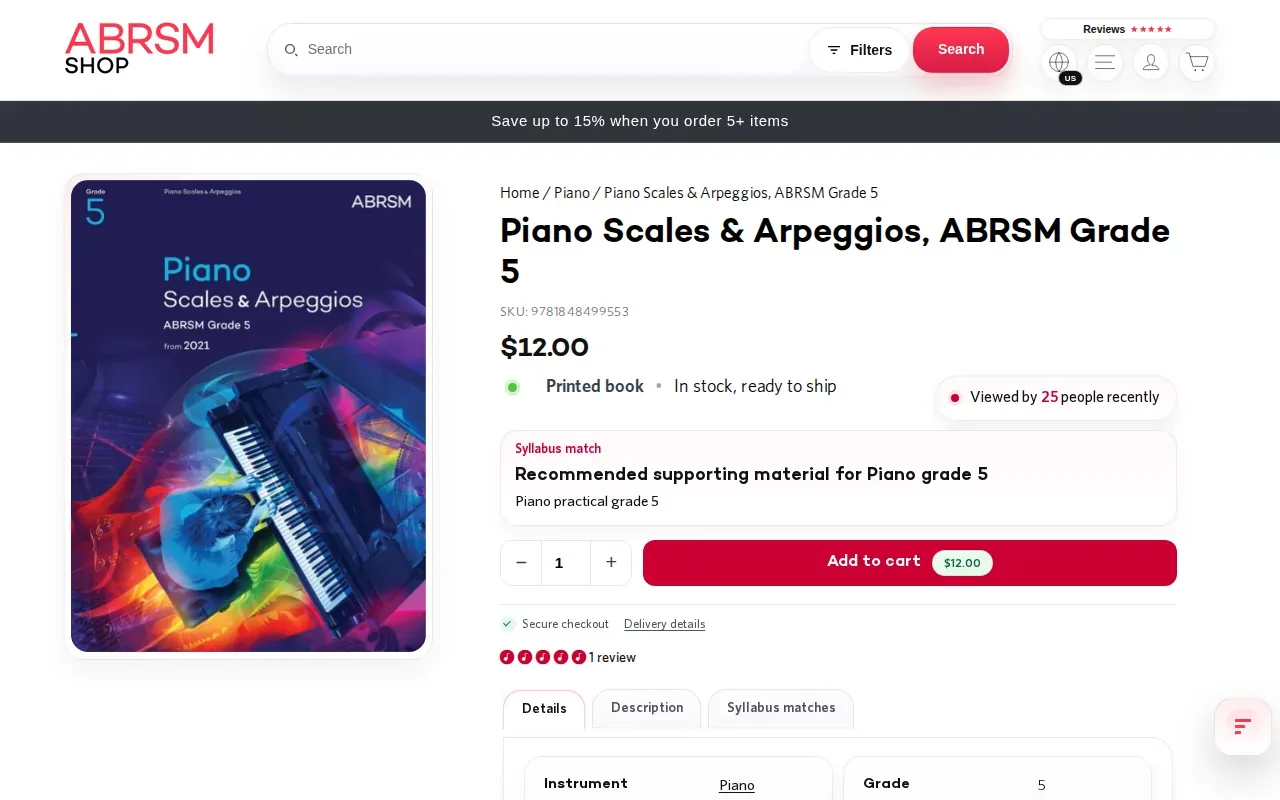
Scales help you feel how a key sits beneath the hand. Arpeggios break a chord into notes played in turn, so the shape of the harmony becomes clear across the keyboard. For example, C, E and G form a C major triad; playing those notes in succession gives a simple arpeggio pattern. The Open University explanation of triads shows how these three notes form the chord. This example explains the musical idea, rather than listing the Grade 5 requirements.
For a broader scale-book comparison, this site also has a round-up of piano scales books. This Grade 5 title has a clear purpose: it is for exam preparation, not a general beginner method. If you aren't preparing for Grade 5, choose a resource that matches your current work.
Compare these piano exercise books at a glance
Choose by the job you need the book to do. A course helps you build several skills in order; a drill collection targets a narrower part of technique.
| Option | Best fit | Main focus |
|---|---|---|
| Chord Compass Academy | Beginner or returning learner studying independently | Foundational piano practice in a downloadable book |
| The Virtuoso Pianist by C. L. HANON Part 1 transposed in all keys | Player seeking focused finger patterns | Hanon exercises transposed into all keys |
| Hal Leonard Adult Piano Method Book 1 | Adult beginner learning at their own pace | Lessons, solos, technique, theory and online audio |
| John Thompson's Adult Piano Course Book 1 by Hal Leonard | Adult learner who prefers a traditional course | Lessons with classical, folk and original pieces |
| A Dozen a Day Mini Book by Willis Music | New player or learner refreshing basic technique | Short warm-up exercises |
| Piano Scales & Arpeggios, Grade 5 by ABRSM | ABRSM Grade 5 scales and arpeggios | Required scales and arpeggios |
A useful week needn't mean doing every drill daily. You might spend one practice session on a short warm-up, another on scales, then give most of your playing time to a piece. Keep the tempo comfortable and stop each exercise while your hands still feel easy. Use a metronome to check the pulse and listen for even tone. Take breaks before fatigue makes the movement harder to manage.
Frequently asked questions about piano exercise books
What should a beginner use for piano exercises?
A beginner should start with patterns that feel comfortable and support the music they are learning. A method book can guide lessons in sequence, while a short-exercise book can add a simple warm-up. Start in C major if it feels familiar, keep your shoulders loose and play slowly enough to hear each note.
Are Hanon exercises good for beginners?
Hanon exercises can suit beginners who already know basic finger patterns and can play them without strain. Start slowly and listen for evenness rather than speed. Keep drills short, then return to a piece or scale so your practice also includes musical phrasing and movement across the keyboard.
How often should I practise piano exercises?
Use exercises regularly, but let your practice time serve your current needs. A short warm-up before playing a piece may be enough on a busy day. If you're working on a particular scale or finger pattern, revisit it across the week and keep the tempo steady and comfortable.
Should I practise scales or finger exercises first?
Either can come first, depending on what you're working on. A short finger pattern may help your hands settle before scales; scales can be the better choice when you're learning a key for a piece. In both cases, listen for a steady pulse and relaxed movement rather than chasing speed.
Can I use piano exercises if my hands are small?
Yes, but don't force a stretch that feels uncomfortable. Choose a pattern that fits your hand, play at a gentle pace and let the wrist stay free. If a passage causes pain, stop. A qualified piano teacher can help with movement and fingering; seek advice from a qualified healthcare professional for persistent or recurring symptoms.
Choose a book for your next practice goal
Try a sample before choosing
If you want a structured foundation for independent practice, preview two chapters of Root Position, Edition 2. Read a sample, try an exercise at the piano and decide whether the explanations fit the way you like to learn.